Justice, Accountability and Meaningful Dialogue
Justice, Accountability and Meaningful Dialogue
28 November 2026
An Urgent Call for Concrete Action to Uphold International Law in Palestine
Proposed Joint Statement by Members of the Anna Lindh Foundation Networks and Wider Civil Society
We, the undersigned members of the Anna Lindh Foundation networks, civil society organisations and individuals committed to human rights, justice and intercultural dialogue, call for urgent action in response to the serious and continuing violations of international law in Gaza and the occupied Palestinian territories.
The extensive loss of civilian life, destruction of civilian infrastructure, forced displacement and violations of fundamental rights demand more than expressions of concern. The continued failure to translate commitments to international law into effective measures has perpetuated impunity and severely undermined the credibility of the international legal order.
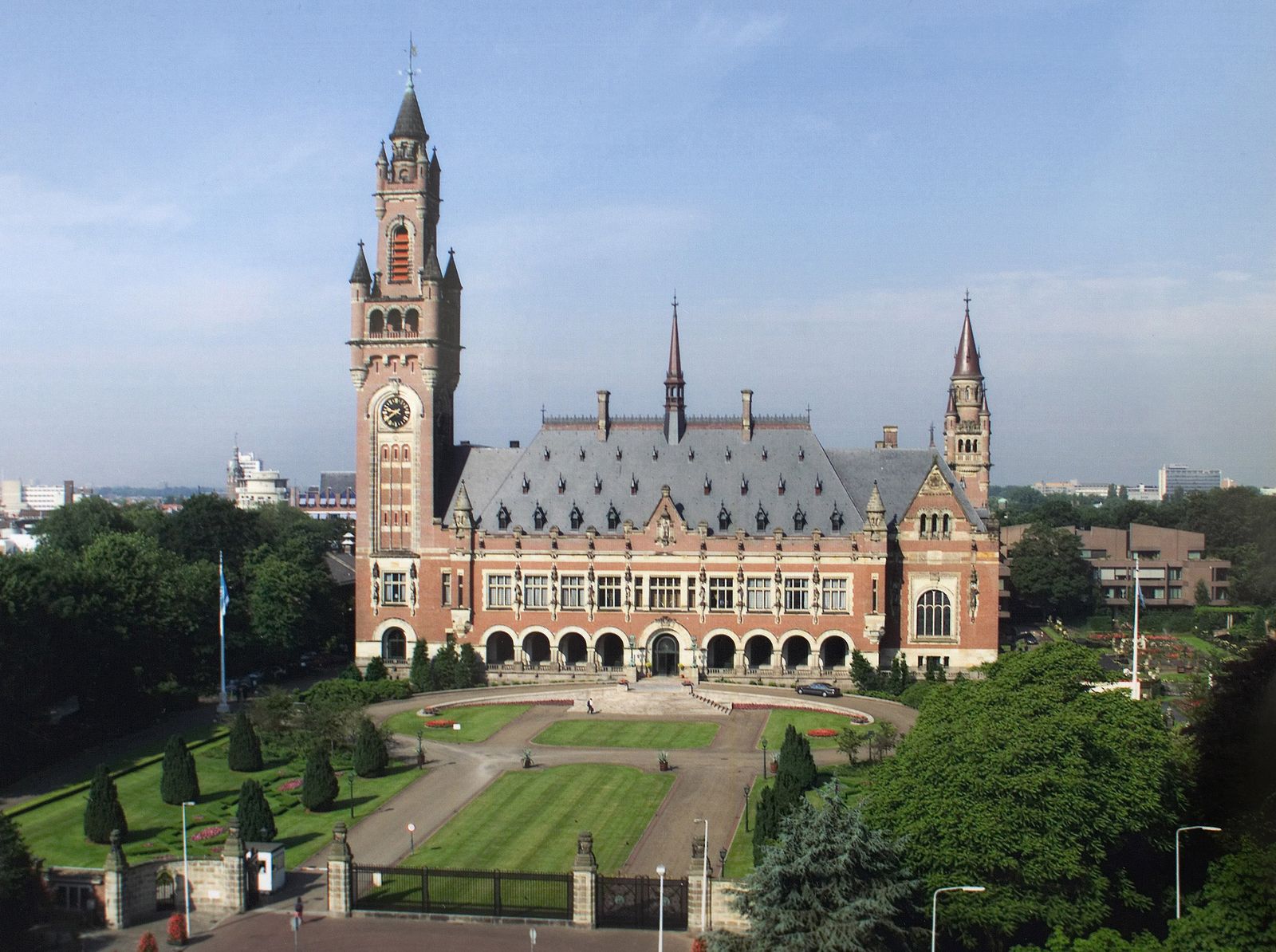
In its Advisory Opinion of 19 July 2024, the International Court of Justice concluded that Israel’s continued presence in the Occupied Palestinian Territory is unlawful and reaffirmed the obligations of states not to recognise or assist in maintaining the resulting unlawful situation. These findings, alongside those of United Nations investigative bodies and international human rights organisations, demand concrete political, economic and legal action.
1. We call for urgent political, economic and legal action
We call upon governments across the Euro-Mediterranean region, particularly European Union Member States, to use the political, economic and diplomatic instruments at their disposal to uphold international law and ensure accountability.
Specifically, we call upon them to:
- Suspend the EU–Israel Association Agreement: Immediately adopt the European Commission’s proposal to suspend its trade-related provisions as a minimum initial measure, while reviewing the continuation of other forms of institutional cooperation and considering broader suspension in response to ongoing violations of international law.
- Prohibit economic activities linked to illegal settlements: Introduce and enforce comprehensive restrictions on trade, investment, financial services and other economic activities sustaining or benefiting illegal Israeli settlements in the occupied Palestinian territories, in accordance with obligations under international law.
- End arms transfers and security cooperation facilitating violations: Immediately halt the export, transfer and transit of weapons, military components and relevant dual-use equipment wherever there is a substantial risk of their use in serious violations of international humanitarian law. Pursue a coordinated arms embargo and review military and security cooperation arrangements.
- Impose targeted sanctions: Adopt asset freezes, travel bans and other restrictive measures against individuals and entities responsible for serious violations of international law, including political and military officials and perpetrators of settler violence, in accordance with applicable legal standards and due process.
- Ensure humanitarian protection and accountability: Demand safe and unhindered humanitarian access, protection of civilians and humanitarian personnel, and respect for Palestinian self-determination. Support independent investigations, international judicial mechanisms and accountability for serious violations.
- Monitor compliance and pursue further action: Assess the implementation and effectiveness of these measures, ensure transparency and consider additional lawful and proportionate measures where necessary.
These measures are not alternatives to dialogue or diplomacy. They are necessary instruments for ensuring that international law is respected and that diplomatic engagement is supported by meaningful political consequences.
Political disagreement over sanctions cannot relieve states of their existing legal obligations. We therefore also call upon governments and European institutions to demonstrate how their current policies, including trade relations and arms exports, comply with international and EU law, and to address any identified breaches through appropriate legal and institutional mechanisms.
2. We call upon the Anna Lindh Foundation to assume its institutional responsibilities
The Anna Lindh Foundation was established to foster mutual understanding, intercultural dialogue and cooperation among the peoples of the Euro-Mediterranean region. These objectives cannot be separated from human dignity, justice and respect for fundamental rights.
Dialogue must never justify silence in the face of injustice, nor should institutional relationships take precedence over the principles that give them meaning.
The Foundation bears the name of Anna Lindh, who consistently advocated for international law, human rights and solidarity. Addressing the situation in the Middle East on 1 May 2002, Anna Lindh emphasised:
“International law and humanitarian law apply to everyone. And we must all stand up for and defend its principles.”
Anna Lindh, May Day speech, Falkenberg and Halmstad, 1 May 2002 (English translation).
We therefore call upon the Anna Lindh Foundation, its Board of Governors and its national networks to:
- Review institutional responsibilities: Formally examine the Foundation’s responsibilities in situations involving serious violations of international law, including implications for institutional partnerships, governmental representation and cooperation arrangements.
- Establish clear principles for institutional cooperation: Develop transparent, consistent and rights-based criteria for institutional partnerships and cooperation, ensuring that the Foundation’s activities do not legitimise or facilitate serious violations of international law.
- Ensure inclusive participation: Involve civil society organisations and human rights defenders, particularly Palestinian and Israeli actors committed to justice and human rights, in assessing the Foundation’s responsibilities and developing appropriate responses.
- Encourage political action: Use the Foundation’s intergovernmental and civil society structures to promote dialogue with governments aimed at strengthening compliance with international law and accountability.
- Publish findings and commitments: Communicate the conclusions of the institutional review, proposed measures and a timetable for implementation.
The Foundation’s credibility depends on its willingness to confront difficult questions about the relationship between dialogue, justice and institutional responsibility.
3. We reaffirm the importance of principled civil society dialogue
Meaningful intercultural dialogue must be grounded in human rights, justice and accountability. It cannot serve to legitimise violations of international law or shield those responsible from scrutiny.
We recognise the important work of civil society organisations, particularly Palestinian and Israeli organisations actively opposing occupation, violence, discrimination and human rights violations, and working towards justice and peace.
The Anna Lindh Foundation should support and strengthen cooperation with organisations committed to these principles, while ensuring that its institutional relationships and activities do not contribute to the normalisation of injustice.
Dialogue must serve justice, not become a substitute for it.
4. From declarations to action
We call upon members and national networks of the Anna Lindh Foundation, alongside the wider civil society community, to advocate for these measures with their respective governments, European institutions and relevant international bodies.
We invite the Foundation’s leadership and Board of Governors to formally consider this statement, engage with its signatories and communicate publicly how they intend to respond.
The Anna Lindh Foundation has an opportunity to demonstrate that intercultural dialogue is not an end in itself, but a means of advancing dignity, justice, solidarity and peaceful coexistence.
For some governments, inaction may appear to be the easier or politically more convenient choice today. Yet the decisions made — and the opportunities to act that were ignored — will remain part of the historical record. Citizens and civil society, within and beyond the Euro-Mediterranean region, will remember not only those who committed violations, but also those who held positions of responsibility and failed to uphold their moral and legal obligations when action was most urgently needed.
We call for accountability, dialogue grounded in justice, and solidarity translated into concrete action. Our commitment to these principles will endure, and we will continue to uphold them through our actions for as long as necessary.
This statement is an independent civil society initiative and does not represent an official position of the Anna Lindh Foundation.
Selected references
- International Court of Justice (2024). Legal Consequences arising from the Policies and Practices of Israel in the Occupied Palestinian Territory, including East Jerusalem. Advisory Opinion of 19 July 2024.
- European Commission (2025). Proposal for a Council Decision on the suspension of certain trade-related provisions of the EU–Israel Association Agreement. COM(2025) 890 final, 17 September 2025.
- Anna Lindh (2002). May Day speech in Falkenberg and Halmstad, 1 May 2002. Svenska Tal, Swedish original.