10 februari 2025
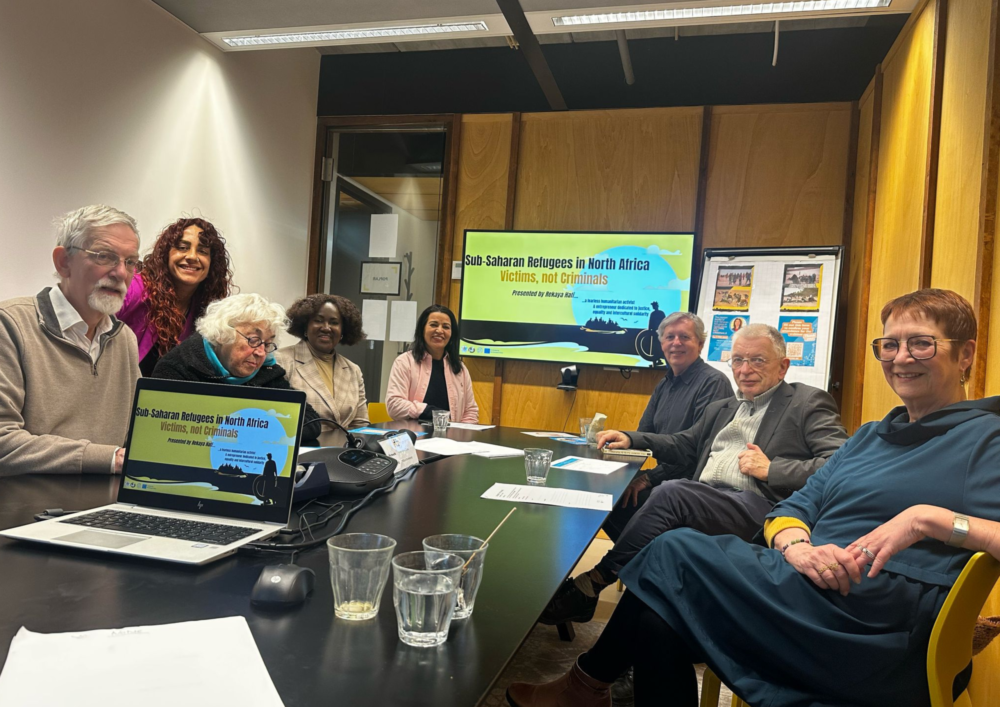
On Friday, February 7, 2025, the Arab-West Foundation, in collaboration with the Anna Lindh Foundation, successfully organised a dialogue session at the Humanity Hub in The Hague. The event brought together 11 participants, including a keynote speaker, a special guest who joined online, and members of the Anna Lindh Network in the Netherlands. The discussions were rich and informative, focusing on the urgent issues surrounding migration, human rights, and the role of international stakeholders in the humanitarian crisis experienced by Sub-Saharan African refugees during their journey through North Africa.
CLICK HERE to watch the webinar recording.
Main Theme: Sub-Saharan Refugees in North Africa — Victims, Not Criminals
The central theme of the session was the severe humanitarian crisis faced by Sub-Saharan African refugees as they attempt to reach Europe. Our guest speaker, Rekaya Hafi, a renowned humanitarian and activist, provided an in-depth analysis of the causes, dangers, and possible solutions to the crisis.
Causes of Migration: We discussed the main factors driving migration from Sub-Saharan Africa. Extreme poverty, high unemployment, and a lack of opportunities drive many young Africans to seek better prospects abroad. In addition, the legacy of colonialism and the continued foreign exploitation of Africa’s natural resources have resulted in enormous inequality, leaving local populations without their fair share of the benefits. We also discussed corruption and political mismanagement, with governments unable to provide basic needs and often misappropriating resources, leaving citizens vulnerable. Finally, the effects of climate change – such as drought and desertification – were discussed as factors that have further displaced communities and intensified the migration crisis.
Dangers Along the Journey
We explored the horrific journey migrants undertake while travelling through North Africa. More migrants die in the Sahara than in the Mediterranean, and many of these deaths go unreported. More than 80% of Sub-Saharan migrants report experiencing violence, including robbery, sexual violence, and imprisonment. Many are detained, tortured, or even sold as slaves in countries such as Libya. We also discussed the dire living conditions migrants face, including overcrowded shelters, extreme poverty, and forced labour.
The Role of European and North African Governments
The discussion also focused on the role of both European and North African governments in the crisis. We discussed the criminalisation of migrants, with North African governments often detaining and deporting them rather than providing protection. European Union border controls were also addressed, as the EU finances North African governments to block migration through violent measures, exacerbating migrants’ suffering.
Proposed Solutions
We presented both short- and long-term solutions to these challenges. In the short term, we emphasised the need for legal protection for migrants in North Africa, the closure of detention centres, and access to humanitarian assistance. We also called for an end to EU funding for policies that support violent anti-migration measures. For long-term solutions, we discussed the importance of fair economic policies to support African development and reduce the need to migrate. Combating corruption and supporting democratic governance in African countries are essential to creating stable and prosperous societies. Climate change measures must also be prioritised to prevent displacement caused by environmental conditions. Finally, we emphasised the importance of changing public perceptions to see migrants as people, not criminals, through media and awareness campaigns.
Conclusion
Our dialogue highlighted the urgent need for international cooperation and an integrated approach to addressing the migration crisis. It was clear that protecting the rights and dignity of migrants requires a joint effort from both governments and society. We remain committed to these important issues and will continue these conversations. Stay tuned for more updates and initiatives addressing these challenges.
CLICK HERE for the full presentation.
CLICK HERE for the webinar notes.